
A vehicle has different components that work together to ensure a smooth driving experience. One of those components is the car’s transmission. A car’s transmission, through gear changes, makes it possible for the engine to transfer engine power to the car wheels. Bad transmission symptoms are harmful to cars.
When working properly, the car’s transmission varies the torque and angular velocity transferred to the wheels by adjusting the gear ratios. A higher gear ratio translates to higher torque and reduced angular momentum. On the other hand, a lower gear ratio ensures that the wheels turn at maximum speed and produce minimum torque.
Diagnosing Trouble – Bad Transmission Symptoms
Taking care of your transmission system is essential to making sure it works accordingly. Whether you drive automatic or manual transmission vehicles, it is important to be on the lookout for any symptoms of transmission trouble and respond immediately. By visiting a transmission repair expert directly, you will be able to prevent further damage and transmission failure.
Most bad transmission symptoms are physically diagnosed, and it pays to seek expert help immediately notice the following symptoms.
1. Check engine light
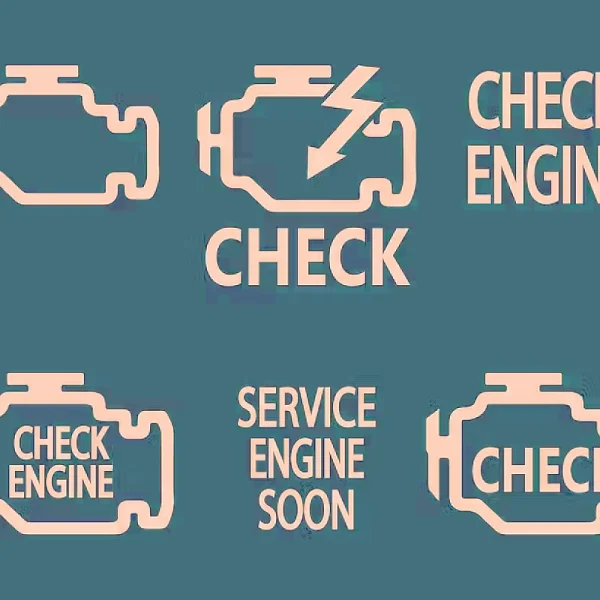
Most modern vehicles are equipped with various sensors linked to a computer system to warn the vehicle owner of any impending failures that they may not be able to diagnose physically. The check engine light is the most common warning light and should never be ignored at any cost.
Once the check engine light comes on, visit a professional car repair shop and let the technicians check your vehicle. The technician will use advanced diagnostic equipment to determine the cause of the problem and suggest repair measures.
2. Reduced transmission fluid level
When you notice suspicious fluids on your driveway, it may indicate a transmission fluid leak. Leakages are serious and should be checked immediately.
If you drive an automatic transmission vehicle, park immediately, let it cool for some time, then open the hood. Pull out the transmission dipstick and study the serrations that indicate the proper fluid level. If you notice low fluid levels, it may indicate a fluid leak from your transmission system. It is paramount for you to have an expert repair the leak before adding more automatic transmission fluid.
Most manual transmissions do not have a transmission fluid dipstick. When you notice red fluid on your driveway, visit a professional transmission repair shop to measure the transmission fluid levels and recommend the transmission repair services necessary for your vehicle.
3. Strange noises
Every car owner understands how their car sounds. If you hear any strange sounds or loud noise coming from your car, it’s an indication that you may have a damaged transmission. Note that noises vary depending on driving an automatic or manual transmission vehicle.
Automatic transmission problems generally produce milder noises than manual transmission vehicles, making clunking noises, especially when shifting gears. The clunking noise may be from other parts and components of your car and should be properly diagnosed and repaired by a professional.
4. Slipping gears
Over time gears lose their normal serration due to normal wear and tear and may slip out of sync when you shift gears. The wear and tear may be catalyzed when your transmission fluid level is low or is worn out.
Slipping transmission is dangerous and should be checked and repaired immediately. The early repair and diagnosis will save you from expensive repairs if the car is left unattended.
Modern transmissions have been designed to go into safe mode when sensors detect any transmission slipping. In this mode, the car will not change gears and automatically shift into one gear to allow you to get to a repair shop.
5. Dragging Clutch in Manual Transmission Vehicles
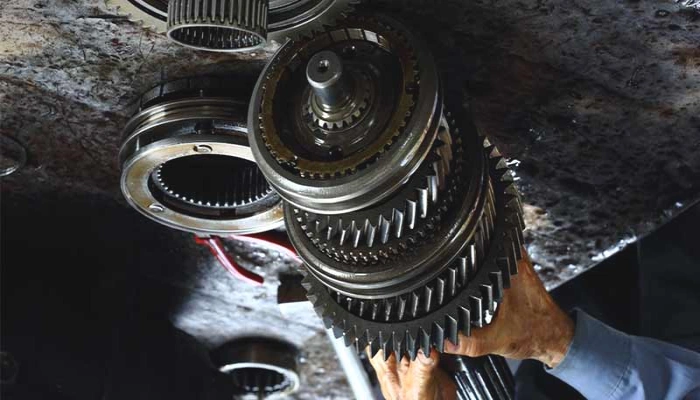
A dragging clutch is a common phenomenon in manual vehicles. It occurs when the clutch disc does not fully disengage from the flywheel when the clutch pedal is fully depressed. Many things can cause your car’s clutch to drag, including problematic transmission mounts, clutch linkage problems, and damaged clutch discs, among other issues. When you notice hard shifting in high RPM accompanied by a grinding sound while shifting gears, it may signify that your clutch is dragging and needs to be checked.
6. Burning Smell
The burning smell coming from your transmission is an indication that your transmission fluid is overheating or running low. Be keen to perceive any scent that smells like burned rubber. When you notice this smell take your car to a transmission repair shop and have the transmission fluid flushed and replaced to prevent further transmission failure.
7. Strange Sounds While in Neutral
If your car produces strange sounds while idling on neutral, it indicates that your vehicle needs transmission service. The problem may vary from minor issues like low transmission fluid to more complicated transmission issues like worn-out bearings or gear teeth. In both instances, it’s important to have your car checked by professionals.
8. No Gear Response
Your car will easily shift into the proper gear when your transmission is working properly. If the transmission is faulty, your vehicle will hesitate or won’t go into gear completely. The hesitation may be accompanied by high RPMs and weird noises from manual transmissions. If any of this happens, take in your car for transmission repair. The technicians will probably check the fluid levels and check your clutch system.
9. Shaking During Gear Shift
When you notice that your car is shaking during gear shifting, it’s a good indicator of transmission issues. For automatic transmission, it usually begins with hesitation while changing gears and for manual transmissions, take note of gear grinding. It is advisable to visit professional gear technicians for both transmissions to diagnose the problem and recommend remedies.
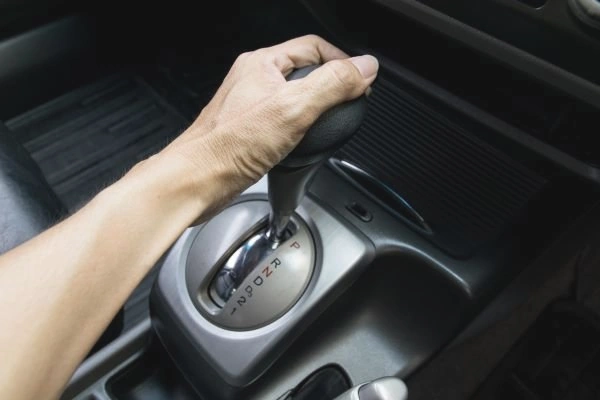
10. Delayed Engagement
Delayed shifting is commonly experienced in automatic transmissions and usually happens when clutches become unresponsive. It is a sign of a failing transmission. Regular service can help solve the problem. Left unattended, it can lead to major repair.
Hire a Professional Transmission Repair Services
At Lenfer Auto, we take pride in having the most experienced technicians in the Wyoming, MN region to handle all your transmission-related issues. Our ASE Certified technicians are specially trained and have the experience to repair and provide service for the transmission on all makes and models—Call 651-369-7771 to schedule an appointment with our transmission experts and find a lasting fix to your problem.